
Our work
Tumour microenvironment
Inflammation
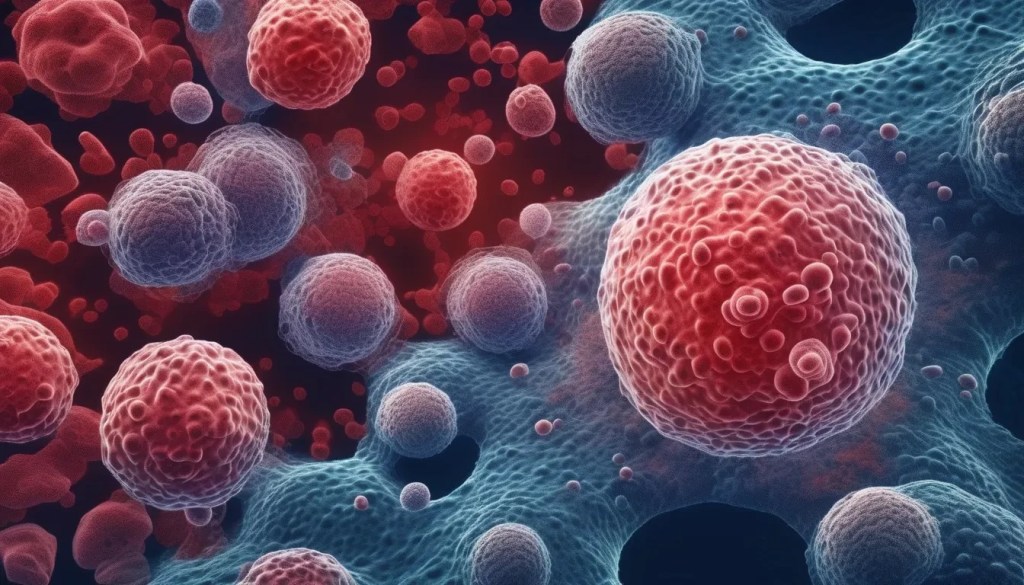
We investigate the intricate interactions between breast cancer cells and their surrounding tumour microenvironment (TME), which consists of fibroblasts, immune cells, adipocytes, and endothelial cells. The TME plays a pivotal role in tumour progression, therapy resistance, and immune evasion. By dissecting these complex networks using patient-derived samples, in vitro and in vivo models, and spatial transcriptomics, we aim to uncover novel strategies to reprogram the TME and improve therapeutic responses in breast cancer.
Chronic inflammation fuels breast cancer progression, promoting tumour growth, metastasis, and resistance to treatment. Cytokines, key regulators of inflammation, mediate tumour-stroma communication and shape the immune landscape of the disease. We utilize multiplex ELISA, scRNA-seq, and in vivo models to study how inflammatory signaling contributes to breast cancer progression and how targeting these pathways could enhance the efficacy of current therapies.
Resistance mechanisms to therapies
Personalized treatment & Biomakers
Breast cancer cells develop resistance to chemotherapy, targeted therapies, and immunotherapies through adaptive mechanisms that allow them to survive and proliferate despite treatment. We study the molecular and cellular pathways driving resistance using patient samples, RNA sequencing, and functional assays in cell lines and animal models, with a particular focus on the role of the TME in shielding cancer cells from therapy. Our goal is to identify vulnerabilities that can be exploited to overcome resistance and improve patient outcomes.
The development of novel breast cancer treatments is often hindered by tumour heterogeneity and transient therapeutic responses. We integrate molecular biology and bioinformatic approaches to identify new therapeutic targets and predictive biomarkers that guide treatment selection, ensuring that each patient receives the most effective therapy. By redefining patient stratification based on tumour microenvironment characteristics, we aim to personalize treatment approaches and improve outcomes across different breast cancer subtypes.
Our team
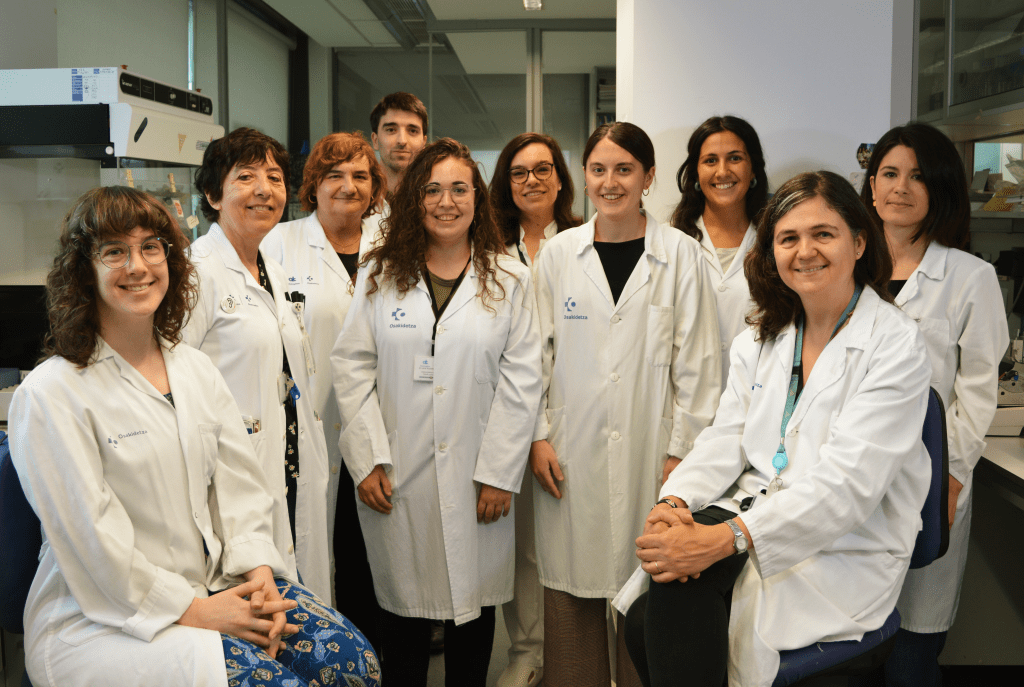
We take a multidisciplinary approach to advancing breast cancer research, combining basic, translational, and clinical expertise. Our group includes clinicians, pathologists, surgeons, and researchers specialized in oncology, molecular biology, and bioinformatics, working together to improve diagnostic and therapeutic approaches for breast cancer patients.
Last publications
Cytokine-centered strategies to boost cancer immunotherapy
Molecular Oncology
First author: Manzano, S.
Corresponding authors: Manzano, S, Caffarel, MM.
A prospective study on tumour response assessment methods after neoadjuvant endocrine therapy in early oestrogen receptor-positive breast cancer
Breast Cancer Research
First author: López-Velazco, JI et al.
Corresponding authors: Caffarel, MM, Urruticoechea, A.
Acetyl-CoA carboxylase 1 controls a lipid droplet-peroxisome axis and is a vulnerability of endocrine-resistant ER(+) breast cancer
Science Translational Medicine
First author: Bacci, M et al.
Corresponding author: Morandi, A.
 Caffarel Lab